

Introduction: Raj Bhavan’s Timeless Charm
Raj Bhavan, often called the Governor’s House by the Sea, is one of Mumbai’s most treasured landmarks. Tucked away on the tip of Malabar Hill, surrounded by lush greenery and the vast Arabian Sea, Raj Bhavan has long been a residence of political power and cultural heritage. Beyond being the official residence of the Governor of Maharashtra, it reflects Mumbai’s colonial past and modern-day significance.
What makes Raj Bhavan captivating is not only its political importance but also its breathtaking location, stunning architecture, and the stories its walls hold. From colonial rulers to independent India’s leaders, it has hosted countless dignitaries while continuing to serve as a silent witness to history.

The Historical Roots of Raj Bhavan
Raj Bhavan’s history dates back to the British era, when the Governors of Bombay Presidency needed a residence that combined administrative convenience with grandeur. Originally known as the “Government House,” it has been in use since the mid-19th century. The estate, spread over acres of lush greenery, was carefully chosen for its strategic location on Malabar Hill, away from the bustling city yet close enough to the administrative hub.
After India’s independence, it became the official residence of the Governor of Maharashtra, retaining its significance in governance while evolving into a heritage site. Its corridors have witnessed key discussions, state functions, and visits from national and international leaders. The heritage it carries makes it more than just a building—it is a living testimony to the evolution of Mumbai and the state of Maharashtra.

Architectural Grandeur of the Governor’s House
Raj Bhavan is not merely a residence—it is a stunning example of colonial-era architecture fused with Indian artistry. Its expansive estate houses multiple bungalows, beautifully designed halls, and manicured lawns. The main building features colonial design elements like arches, large verandas, and stone masonry that withstands the test of time.
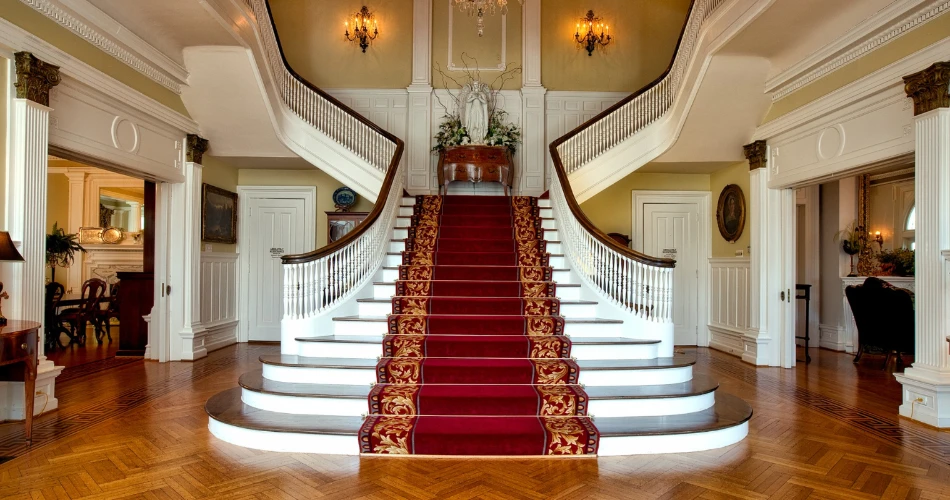
Inside, the Raj Bhavan boasts lavish drawing rooms, banquet halls, and libraries adorned with heritage furniture and décor. Every corner reflects elegance and authority, making it both a functional administrative hub and a work of art. The estate is also dotted with sculptures, fountains, and gardens that enhance its beauty and serenity.
Raj Bhavan’s Scenic Location by the Arabian Sea
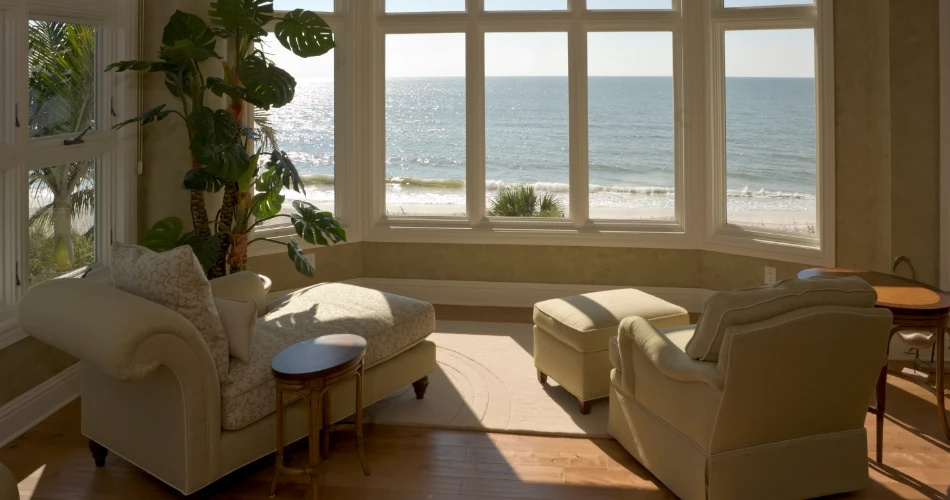
One of the most striking features of Raj Bhavan is its unparalleled location. Perched on the edge of Malabar Hill, it is surrounded on three sides by the Arabian Sea. The view of the sun setting over the sea from Raj Bhavan is said to be one of the most mesmerizing sights in Mumbai.
The estate’s sea-facing lawns, rocky shores, and surrounding greenery make it feel like a secluded paradise in the heart of the bustling city. This natural beauty not only enhances its charm but also symbolizes the blend of power and peace that the Governor’s House represents. For Mumbaikars and tourists alike, its location makes it an iconic landmark.
Cultural and Political Significance
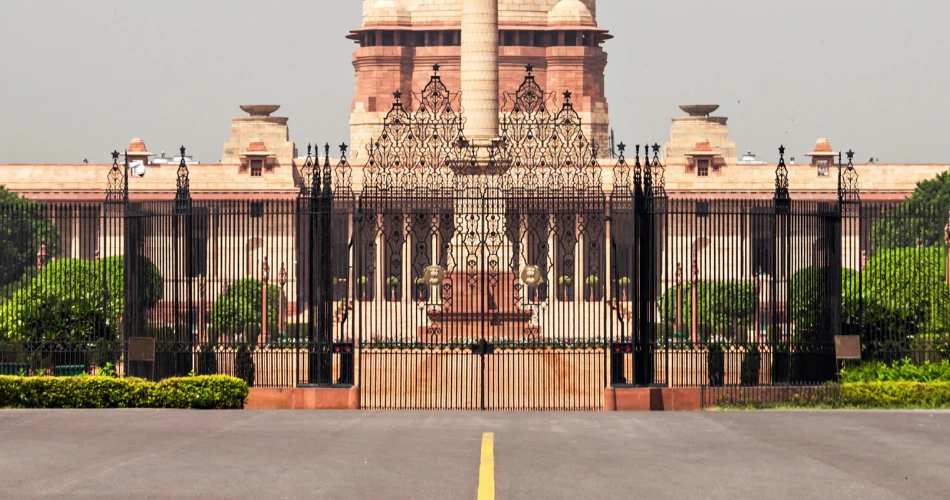
Raj Bhavan is not just a residence—it plays an important role in Maharashtra’s governance and cultural identity. It serves as the venue for official state functions, ceremonies, and receptions. The Governor uses it to host foreign delegates, national leaders, and dignitaries, making it a hub of political activity.
Beyond politics, Raj Bhavan also symbolizes the cultural richness of Mumbai. Its heritage value, coupled with its role in shaping political narratives, makes it a site of pride. Over the decades, it has continued to serve as a bridge between the city’s colonial past and its modern democratic ethos.

Exploring Raj Bhavan Today
Though Raj Bhavan has always been a seat of power, it has also opened its doors for public tours in recent years. Visitors can explore the lush gardens, historic halls, and scenic viewpoints within the estate. Special guided tours provide insights into its history, architecture, and role in governance.
The experience allows visitors to witness the grandeur of colonial design, walk through its heritage corridors, and enjoy panoramic views of the Arabian Sea. It’s a unique way to connect with both Mumbai’s history and its natural beauty in one location.
Raj Bhavan in the Modern Era
While Raj Bhavan remains rooted in tradition, it has also embraced the modern era. Sustainability initiatives, heritage conservation efforts, and digital integration for tours reflect its adaptation to contemporary needs. The Governor’s House continues to be a living institution, balancing governance with preservation.
For Mumbai, Raj Bhavan stands as more than just a landmark. It is a symbol of continuity—bridging colonial legacies with democratic progress, and historic architecture with modern relevance. Its presence by the sea is a reminder of how heritage and modernity coexist in India’s financial capital.

Conclusion: A Jewel of Mumbai’s Heritage
Raj Bhavan, the Governor’s House by the Sea, is more than a grand residence—it is a jewel of Mumbai’s cultural and political heritage. From its colonial roots to its modern role, it has stood tall as a witness to history and progress. With its architectural splendor, scenic beauty, and cultural significance, it is a must-visit destination for anyone looking to understand Mumbai’s soul.
Whether you view it as a seat of governance, a heritage landmark, or simply a breathtaking spot overlooking the Arabian Sea, Raj Bhavan continues to capture hearts and inspire awe.